The Visionary & the Muse
What happens when imagination finally finds a way to be seen.
Before she had a face
H.E.R. existed before she ever appeared in an image.
She lived in the ideas I kept collecting, the stories I wanted to tell, and the kind of woman I could already see in my mind. She was mature, feminine, creative, grounded in faith, and quietly confident. She represented a woman who had lived enough life to know that becoming does not always happen loudly.
I knew her energy. I knew her style. I knew how she would enter a room.
What I did not have was a way to make everyone else see her.
That changed when I began working with artificial intelligence—not as a substitute for creativity, but as another instrument for expressing it.
The muse appeared
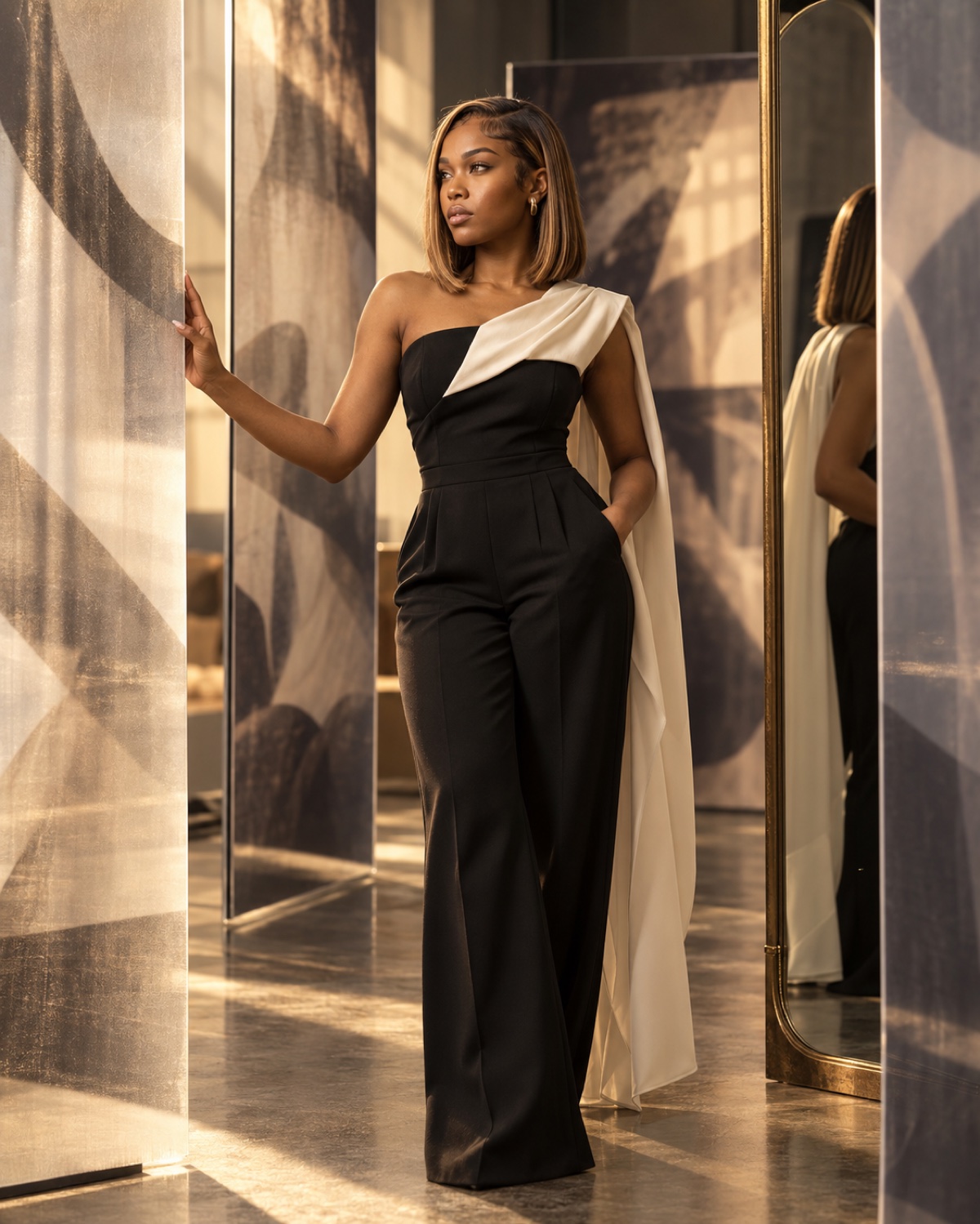
Eventually, the woman in my imagination became visible.
She had a face, a presence, and a visual language. I named her H.E.R.—Healed, Evolving, Ready.
She became the editorial muse for FemiLux Éra: a visual storyteller who could carry an idea from my mind into a photograph, a scene, a short film, or a quiet moment on the screen.
But H.E.R. did not arrive with her own message.
I gave her one.
Every detail began with a choice: the mood, the clothing, the setting, the lighting, the story, and the feeling I wanted the image to leave behind. Technology helped construct what could be seen, but the intention still had to come from me.
“AI did not give me a voice. It gave my vision another way to be seen.”
The visionary comes first
There is a difference between using a tool and allowing a tool to lead you.
A muse may inspire the work, but the visionary gives it direction.
That distinction matters—especially now, when technology can produce something polished in seconds. A beautiful image can catch someone’s attention, but beauty alone does not create meaning. Meaning comes from the person who knows why the image exists.
My experiences shape the message.
My faith shapes the foundation.
My eye chooses what belongs—and what does not.
H.E.R. may appear in the frame, but the story behind the frame is still mine.
Creativity has always evolved
Every generation of women has found new ways to make what they imagined tangible.
We have written in journals, created with fabric, decorated homes, photographed families, built businesses, made music, and transformed ordinary spaces into something personal. The tools have changed many times, but the desire underneath them has remained the same:
We want to make something that carries a piece of us.
Artificial intelligence is another tool in that long creative history. It can help a woman illustrate the book she has not yet published, visualize the brand she is still building, or create the scene she could not afford to photograph traditionally.
It does not have to erase the human part.
Used intentionally, it can help reveal it.
Your voice still matters
The technology may be new, but the most important question is not:
What can AI create?
The better question is:
What do you want to say?
You do not need to become a technical expert before you begin. You do not need perfect language, expensive equipment, or a fully developed plan. You need an idea, a willingness to experiment, and enough confidence to keep making decisions.
Change the image when it does not feel like you.
Rewrite the words when they sound too polished.
Begin again when the result is beautiful but empty.
Your discernment is part of the creative process.
The tool should learn to support your vision. Your vision should not disappear inside the tool.
Write the vision
Habakkuk 2:2 says, “Write the vision; make it plain.”
Sometimes writing the vision means putting it on paper.
Sometimes it means creating the first image, recording the first voice-over, or building the first imperfect version of something you have carried quietly for years.
The vision does not become less personal because you used a modern tool to help express it.
It becomes less personal only when you stop bringing yourself to the work.
H.E.R. is the muse.
I am the visionary.
And the most meaningful work happens where the two meet—with intention, imagination, faith, and a voice that still belongs to me.
The tool can help you create what others see. Only you can decide what it means.
0 Comments